The mirrored page
Two languages,
one page.
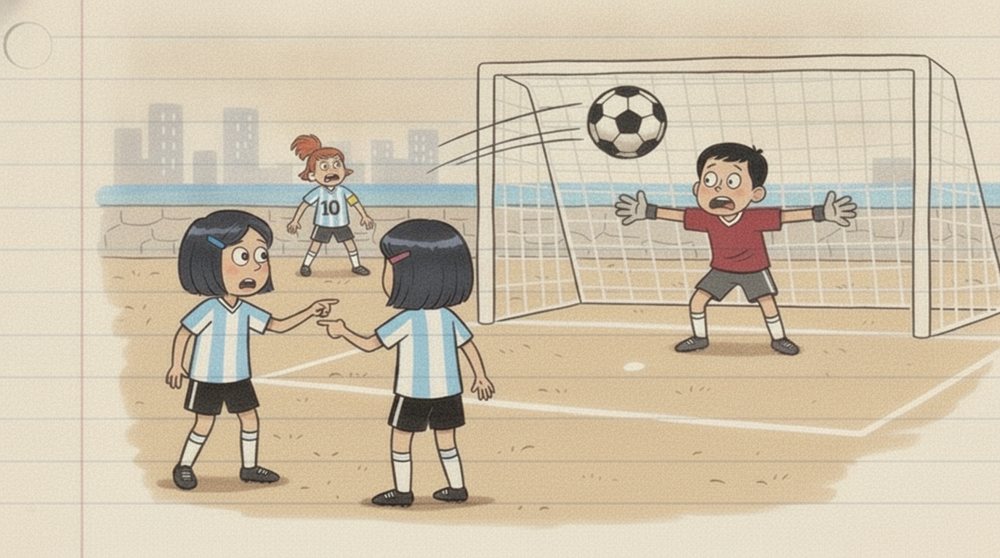
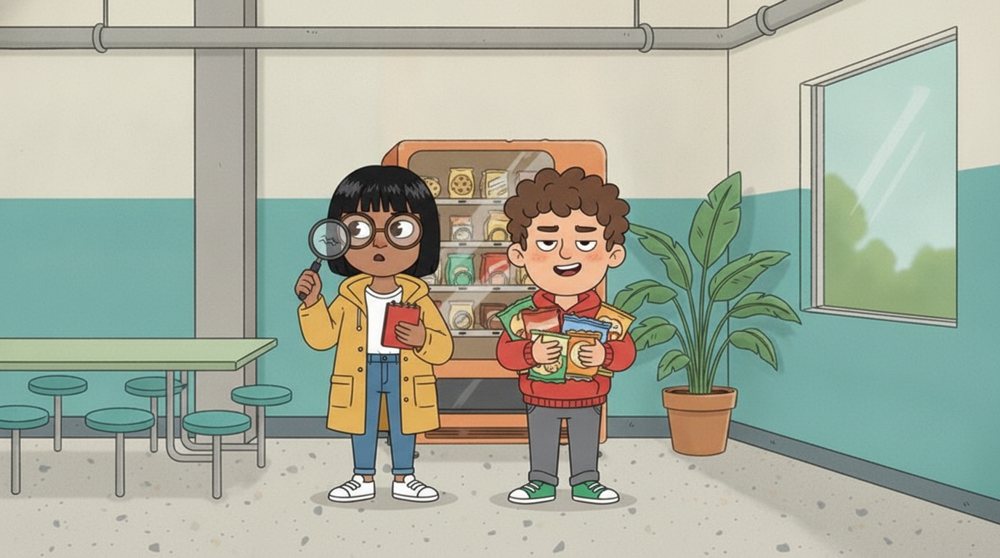
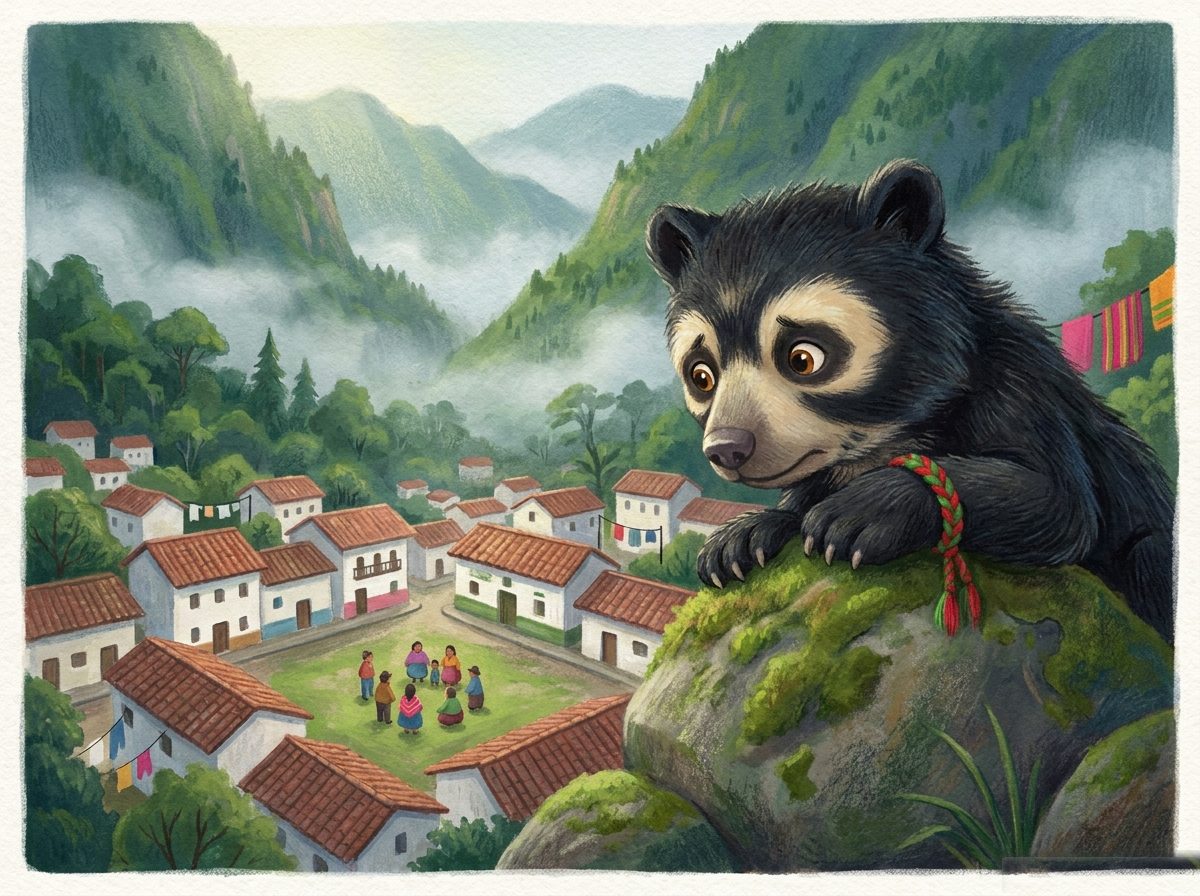
This is what makes reading possible on day one. Spanish and English light up together, meaning unit by meaning unit — not word-by-word gibberish, but real phrases a child can hold in their head.
Es la hora de comer. Marta dice: «¡Taco, a comer!». Pero Taco no viene. Marta busca en la cocina. ¿Dónde está Taco?
It is time to eat. Marta says: "Taco, time to eat!" But Taco does not come. Marta looks in the kitchen. Where is Taco?
Four levels, by ability
Start where the child actually is.
Not by grade — by what a reader can do today. A fifth grader starting from zero and a first grader in their third year can sit on the same rung, and nobody feels odd about it.
First words
A few words a line — the pictures carry the story.
93 books → 2First sentences
Short, simple sentences in the present tense.
52 books → 3Short stories
Longer sentences and a wider vocabulary.
23 books → 4Chapter books
Past tenses and chapters that carry across days.
17 books →For the teacher: the lesson cycle
One story. Four moves.
A whole class speaking.
Every book comes with its lesson already made: the story, La Ronda circling questions, the retell, and games built from the book's own words. Reading first, so the language sticks; zero prep, so it happens on a Tuesday.
Read
The class reads together — Spanish and English side by side, with recorded narration in two voices.
Circle
Ready-made circling questions stack the repetitions: yes/no, either/or, question words.
Retell
Students rebuild the story in their own words, one sentence at a time, with support.
Play
Games recycle the very same words — the part your class will beg to repeat.
The library
Stories worth reading twice.
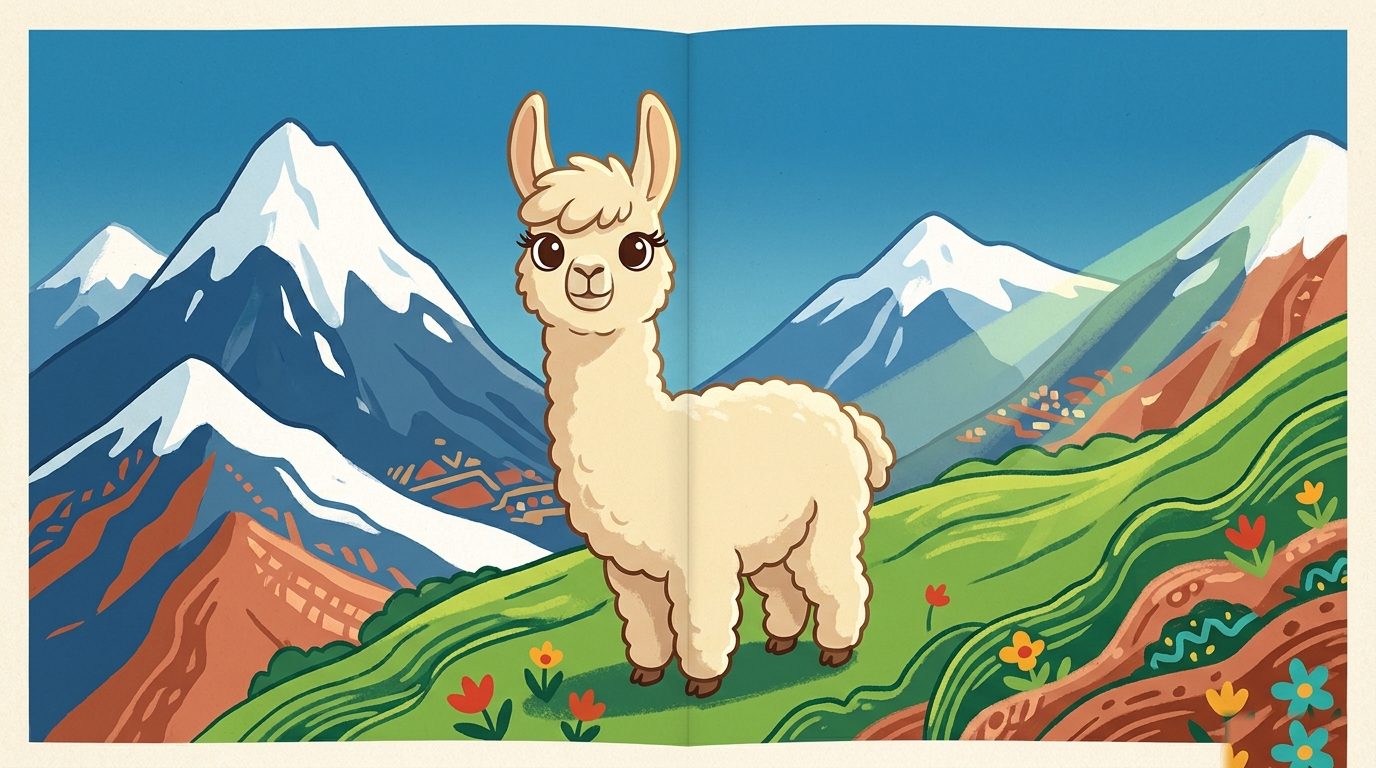
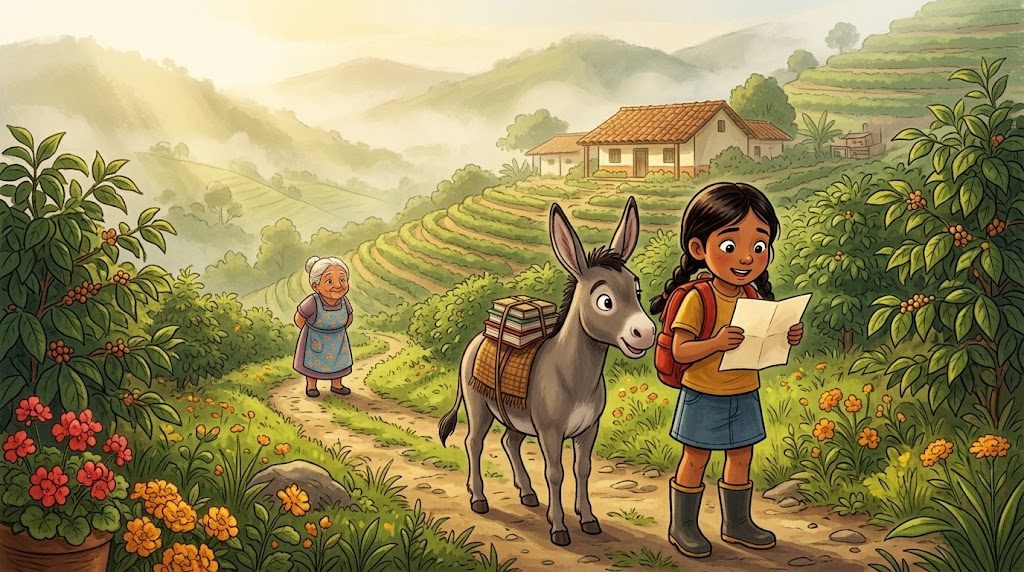
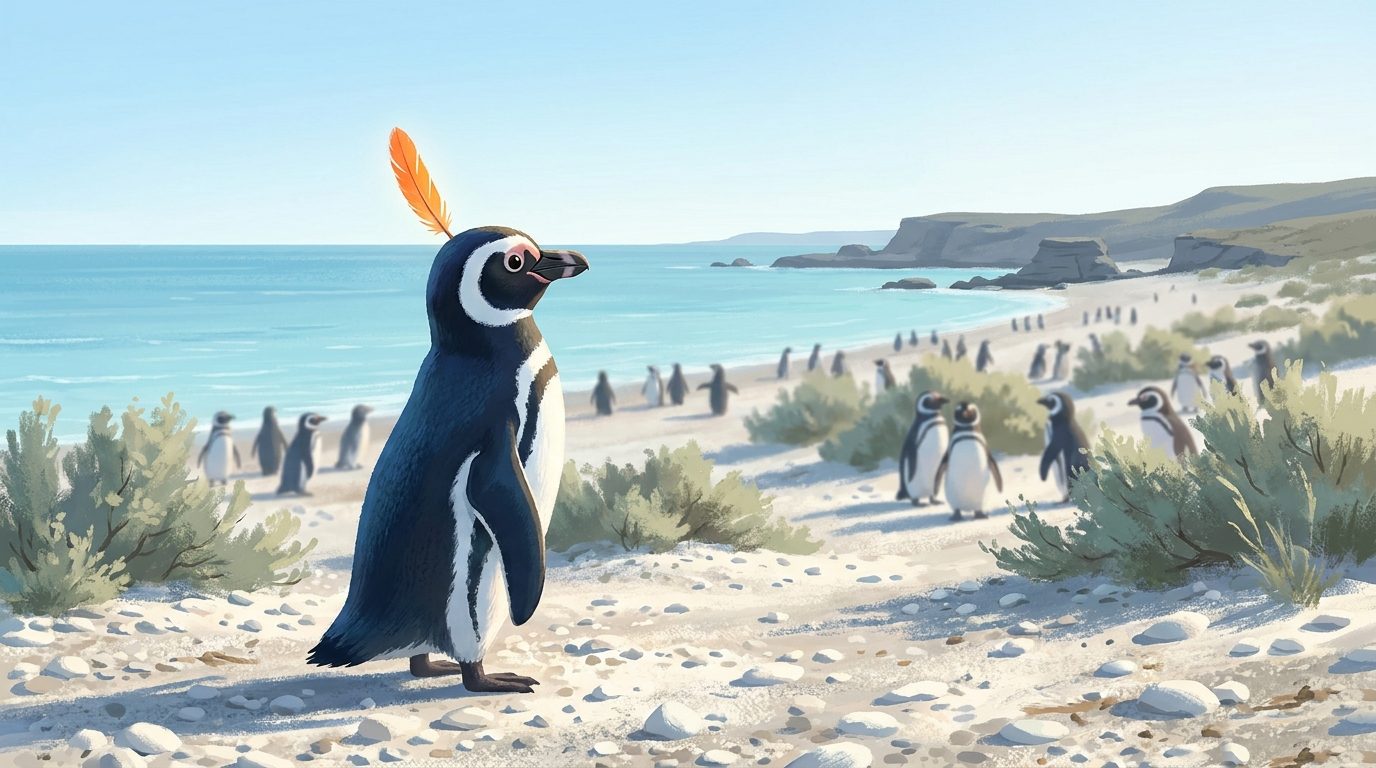
Chapter books and picture books set across the Spanish-speaking world, with original illustration on every page and narration recorded in two voices.
When you are out
A substitute plan that runs itself.
Print one page and leave it on the desk: the class code in big type, the book of the day, three steps for the sub, and the packet. The sub reads nothing aloud; the narration does. You see what every class did when you are back.
Who it is for
Teachers, families, co-ops.
Elementary Spanish teachers
One subscription covers every class you teach, however many students. Thirty class codes for thirty classes, a dashboard that starts with the class list, and a weekly number per student you can put in a gradebook.
Homeschool families
Two narrators on every page, the English a tap away, the questions ready. A parent who does not speak Spanish can run it, and a child who does will read past them.
Homeschool groups and co-ops
One teacher account, one code per group, the projector Ronda for the room and the team game for the table.
The student
Sign in once with the class code, pick a book, listen, tap any word. Stars on every book they finish, a party for a whole series, and books children ask about tomorrow.
Why Librola
Made for the teacher with thirty kids
and thirty minutes.
Reading, not memorizing
Mirrored Spanish and English, narration that lights up each phrase as it reads, and a meaning for every word you touch. Free Voluntary Reading with no timer on the screen; you see which books each child opened and finished.
Ten doors on every book
La Ronda for the student and for the projector, a digital packet, a word game, a team game, a word search, a crossword, a board game and printables, all made from that book's own words.
Every learner reads
Braille and screen-reader view, a picture description on every page, dyslexia-friendly spacing, bigger text, light, dark and sepia. Built in from the start, not bolted on.
Class codes, very little kept
Students join with your class code. They sign in with their school Google account, or with their first name, last initial and 3 pictures. Librola keeps that short name, their 3 pictures (or, with Google, an account number from Google), when they were last on Librola, and what they read and played. Never an email, photo or birthday.